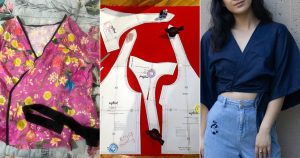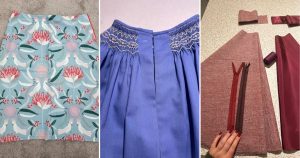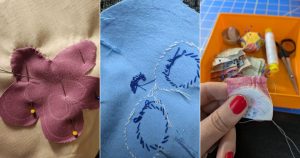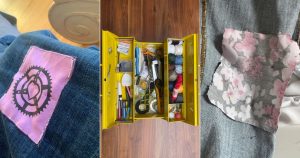

Here is a detailed guide on how to sew for beginners that will make your journey easy, memorable, and hassle-free!
You don’t need a lot of supplies or years of experience to start your own sewing piece. In fact, you just need a few things that this guide on how to sew for beginners is all about! Have a read and follow along!
Things You’ll Need to Start Sewing
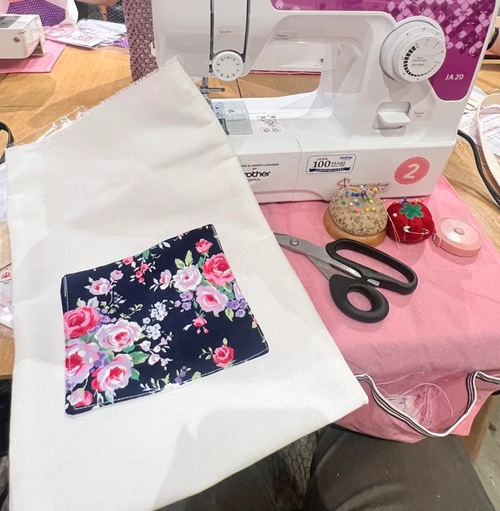
Start with a few essentials: a sewing machine, fabric scissors, sewing thread, needles, measuring tape, pins or clips, a seam ripper, a fabric marking tool, and an iron.
A seam ripper might seem unnecessary when you’re just starting, but you’ll be glad to have one. Because, in creating DIYs, mistakes are always going to be a small part of your learning!
But being able to remove a few stitches without damaging your fabric can keep a small mistake from turning into a frustrating one.
One more thing: keep a few scraps of fabric nearby while you sew. They make a handy little testing ground for your thread, needle, stitch length, and tension before you try anything on your actual project.
Where To Begin With
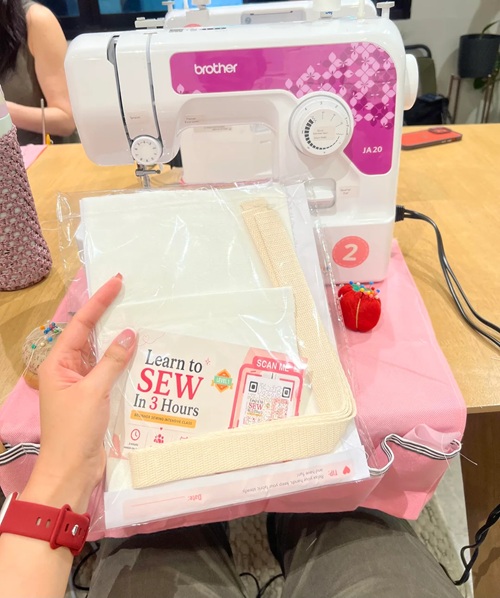
Your choice of fabric is what decides how your first project will go! For beginners, medium-weight cotton is a great place to start. It’s easy to cut, doesn’t stretch much, and is generally simple to sew.
For now, leave slippery satin, stretchy knits, chiffon, and very thick fabrics for later. They’re not impossible to sew, but they can be tricky when you’re still learning how to control your machine and fabric.
Beginner’s Tip: Wash and dry your fabric according to its care instructions before cutting. Some fabrics can shrink, and you don’t want that happening after you’ve finished your project.
And here’s a small habit worth picking up early: press your fabric before you cut it. A few wrinkles can throw off your measurements and make cutting less accurate.
How To Sew For Beginners
Here is the process that will eventually become a part of your normal workflow!
1. Get to Know Your Sewing Machine
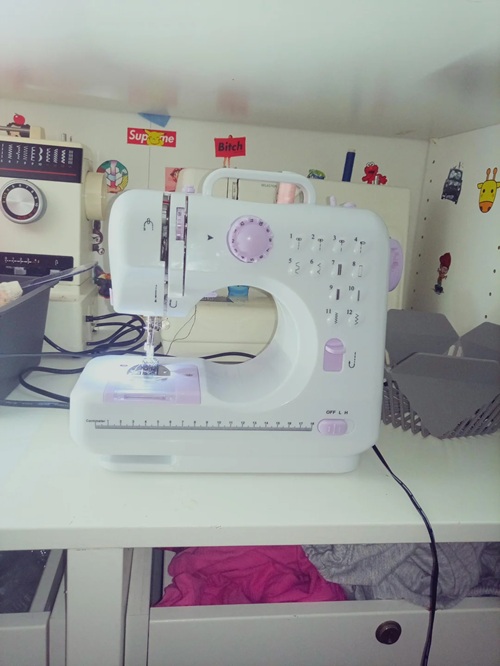
Before starting your first project, spend a little time getting familiar with your sewing machine. Learn how to thread it, wind and insert the bobbin, change the needle, choose a basic stitch, and adjust the stitch length. These steps will become second nature!
For your first few projects, a straight stitch will do most of the work, and yes, that’s perfectly fine! Start with the basics and let your skills build naturally as you sew.
Keep your machine’s manual within reach. It can be helpful when the thread suddenly misbehaves, or you can’t figure out why the machine isn’t cooperating.
Caution: Don’t change several machine settings at once. If your stitching looks wrong, test the same fabric on a scrap first and change one thing at a time. That way, you’ll actually know what fixed the problem.
2. Practice Before Starting a Project
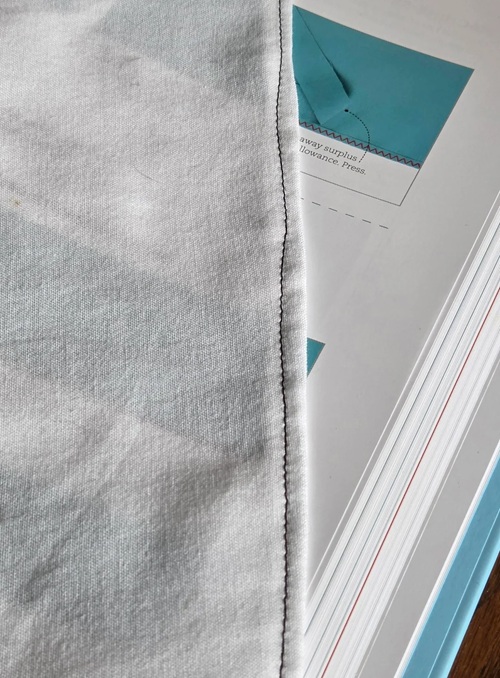
Before sewing your actual fabric, grab two scraps and practice!
Sew a few straight lines. Try turning a corner. Practice starting and ending a seam with a few reverse stitches. That’s all you need to do to run a quick check!
Once you begin, try not to pull the fabric toward you while you’re sewing. Let the machine do that on its own. Your job is mainly to guide it and keep it aligned.
And don’t worry about drawing a perfectly straight line on your first try.
Here’s a fun little exercise: Draw a few wavy lines and curves on a scrap of fabric and try sewing along them. It’s an easy way to get comfortable with controlling the fabric without putting your actual project at risk.
3. Learn a Few Basic Sewing Terms
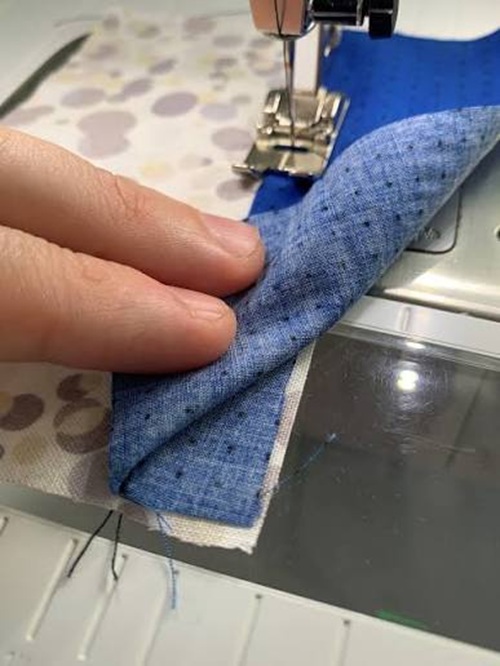
You’ll see these words often! And knowing these basic terms will make sewing patterns and tutorials much easier to follow.
Seam: Where two pieces of fabric are joined.
Seam allowance: The space between the fabric edge and the stitching line.
Grainline: A pattern marking that shows how to position the pattern piece on the fabric.
Right side: The side of the fabric meant to be visible.
Wrong side: The inside or less visible side.
4. Choose a Simple First Project
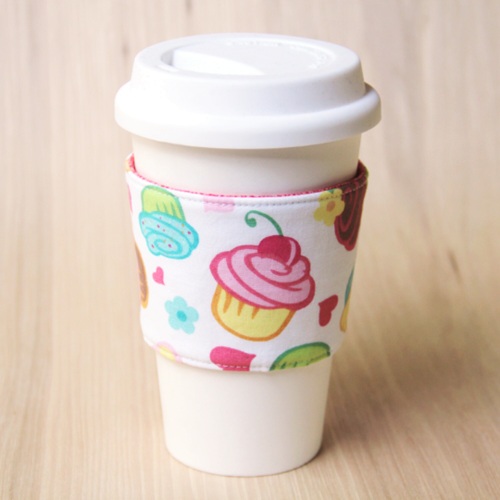
This is where beginners often get carried away.
You might dream of sewing a beautiful dress, but let’s start with something quick or easier! Go for projects with straight seams, few pieces, and simple instructions.
Like a tote bag, pillow cover, simple pouch, or any other small project that can teach you the basics without overwhelming you.
Meanwhile, the crooked stitches, forgotten backstitches, and the occasional piece sewn backward are all part of learning. So be kind to yourself and give it time!
Hand Sewing For Beginners
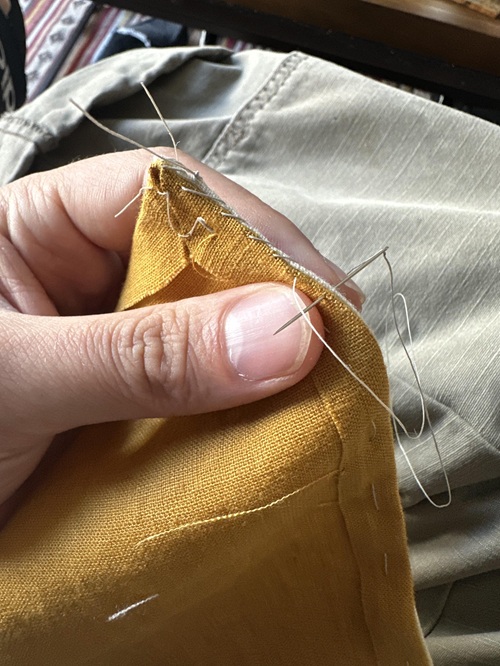
Hand sewing is actually a lovely place to begin if you’re completely new to sewing. A few simple stitches can help you get comfortable with handling fabric, following a stitch line, and understanding how pieces come together.
It’s also useful for small repairs and little finishing touches that you’ll come across even when you’re using a sewing machine.
But as your projects get bigger, a sewing machine makes the work much quicker and easier. Instead of making every stitch by hand, you can sew long, even seams in a fraction of the time.
So, there’s no need to choose one over the other; you can learn a little hand sewing, then let your machine take over when the project gets bigger!
Are you ready to start? Sewing becomes much less intimidating once you stop trying to learn everything at once. And always remember, you don’t have to be perfect to start sewing. You just have to start.
Next, we shall discuss the sewing machine basics for beginners!