
Learn how to choose fabric and yarn with a beginner-friendly checklist that simplifies textile concepts like insulation and breathability.
Let’s begin with the knowledge of how to choose fabric and yarn so that you pick the correct ones before making that masterpiece. Because if the final product isn’t warm enough, the effort you’ve put in can go to waste!
What Makes a Fabric Warm
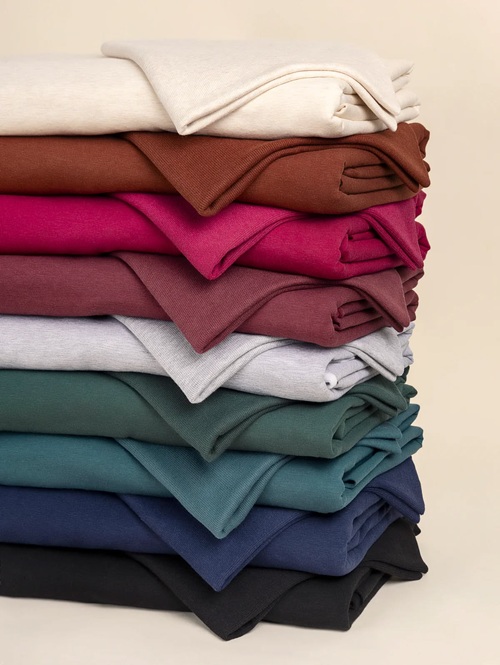
Before you begin sewing that winter wearable, it’s essential to learn about fabric weight and yarn ply. These will help trap heat! Fabric weight is measured in ounces or grams per square meter (GSM).
The higher the number, the thicker and warmer the material. Pick a medium-to-heavyweight option like fleece, wool coating, or flannel.
The best part is that these materials offer excellent definition and insulation and are easy to handle on standard sewing machines!
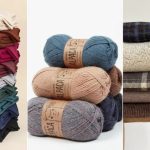
When picking yarn type, you need to know how many strands (plies) are twisted together. The weight category determines this. Bulky, super-bulky, or multi-ply yarns are the best picks for winter. Their soft, loose structure creates tiny air pockets that lock in the body’s warmth.
How to Choose Top Winter Fabrics
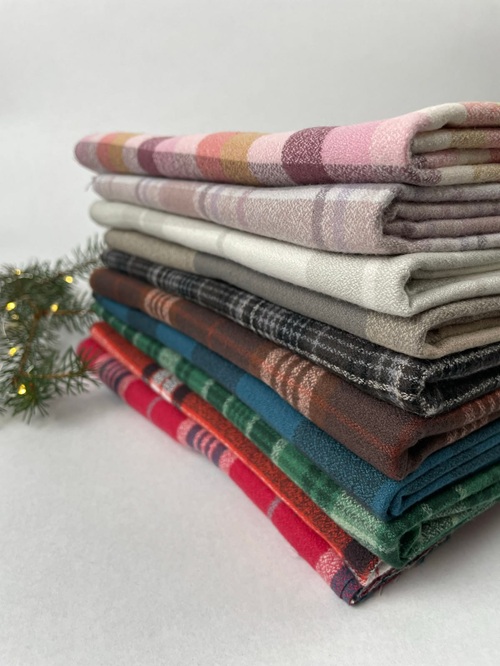
As a rule of thumb for beginners on how to choose fabrics and yarn, remember the “big three” of cold-weather sewing: flannel, fleece, and wool blends.
Pick flannel for extra softness, to sew cozy pajamas or button-down shirts, as it is easy to cut, pin, and sew. Fleece doesn’t require finishing the seams as it doesn’t fray at the edges: great for a quick and warm pullover or blanket scarf.
Wool blends are best for winter outerwear. Mixing them with synthetic fibers makes them softer and affordable!
Selecting the correct fabric is key for that polished winter garment to come to life and to help avoid struggle with your sewing machine.
How to Choose Fabric Fiber Types for Maximum Warmth
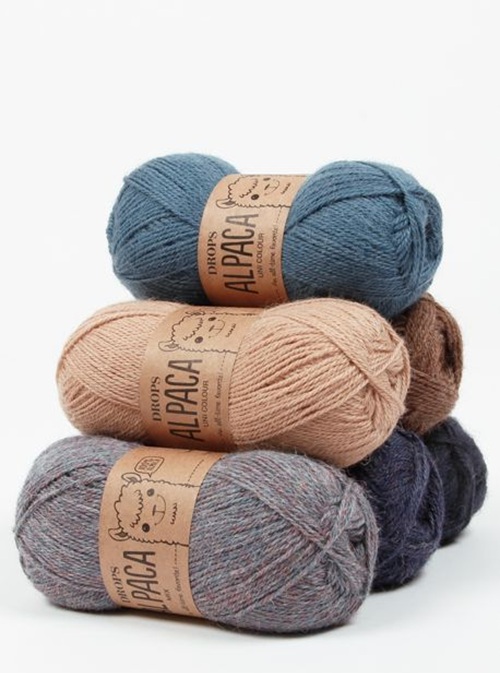
This may feel overwhelming as a beginner, but remember that it all comes down to choosing the right fiber! Natural animal fibers like sheep’s wool and alpaca are the gold standard for ultimate insulation.
Wool helps trap body heat naturally and is great for beanies and mittens. If you’re looking for something luxurious, alpaca yarn is the answer. You won’t find the scratchy lanolin like in wool, and it is about three times warmer!
Pro Tip: Don’t overlook synthetic blends if you have sensitive skin. Also, if you’re working on a budget, pick premium acrylics mixed with wool. These give you stitch definition, machine-washability, and genuine heat retention of natural fiber.
Weight Matters: Understanding Ply, Thickness, and Drape
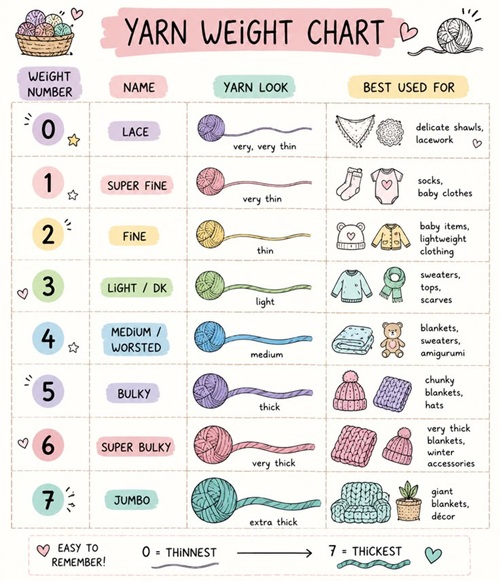
For that snug fit, ensure you understand yarn weights thoroughly. It goes from 0 (Lace) to 7 (Jumbo) based on the thickness (not its physical weight on a scale!). Bulky (Category 5) and Super Bulky (Category 6) yarns are the ultimate beginner-friendly project picks!
These work incredibly fast on large needles or hooks. This means that you can create that beanie or thick cowl in a weekend!
Quick Note: Thickness and drape go hand-in-hand. Hence, thicker and tightly plied yarns have stiffer drapes like ear-warmers, heavy blankets, or thick mittens.
Pick a medium-weight Worsted (Category 4) yarn or loosely spun single-ply yarns for flowy drapes like oversized scarves and slouchy sweaters!
Good Pairing Materials
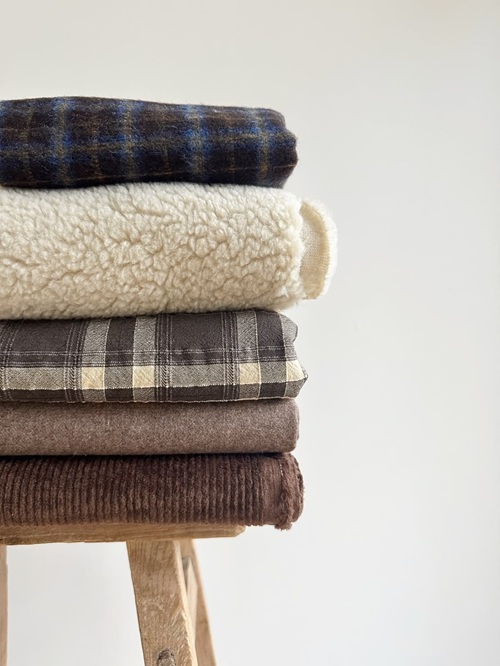
Picking the right material with the right pattern is essential! It can make or break a look. Which is why you need to pair simple, straight-stitch projects with stable, non-slippery fabrics.
A low-stretch polar fleece or brushed cotton flannel is great for loungewear, pajama pants, or pullovers as the fabric stays intact under a sewing machine needle and requires minimal edge finishing.
For knitting needles or crochet hooks, always match your project to the right yarn weight. A Super Bulky (Category 6) yarn is best for thick cowls or infinity scarves as it gives a chunky look in no time!
If you’re looking for clean stitch definition and comfortable stretch, then pick a Worsted Weight (Category 4) wool blend. Your garment will look polished and cozy!
Now that you have a fair idea of the fabric types and yarns, why don’t you give these quick fall sewing patterns a shot? Stay tuned for some more ideas!